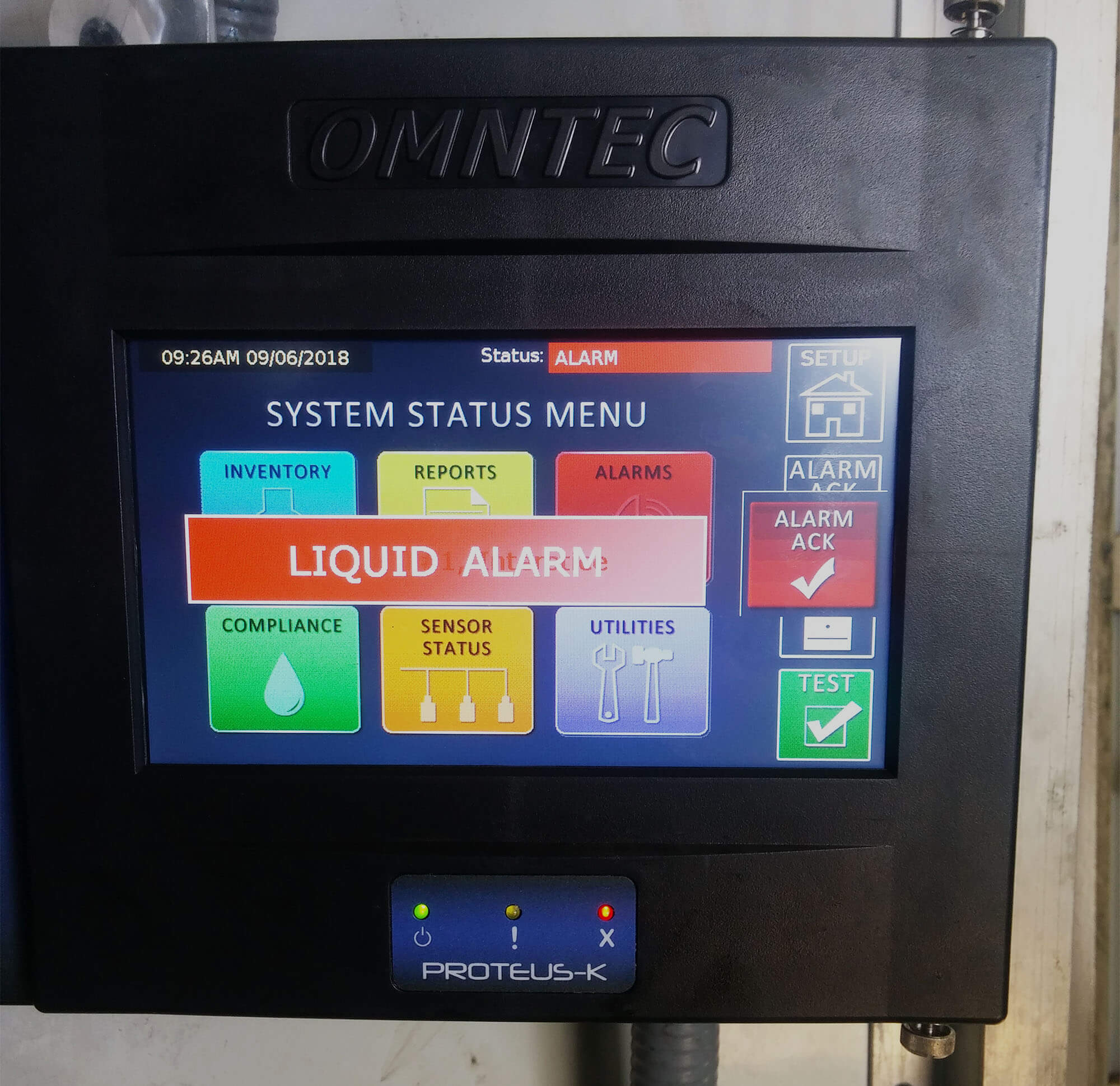
Automatic Tank Gauge Testing
If you have above and underground fuel storage tanks, you may also have an Automatic Tank Gauge (ATG) to reduce environmental risk and meet regulatory requirements. Our experienced and certified fuel technicians manage tests on a range of equipment manufacturers, such as Veeder Root, Pneumercator, OMNTEC, INCON, and many others.
Some of the largest telecommunications companies in the country, hospitals and data center operators select OCCU-TEC as their vendor of choice for Automatic Tank Gauge (ATG) testing.
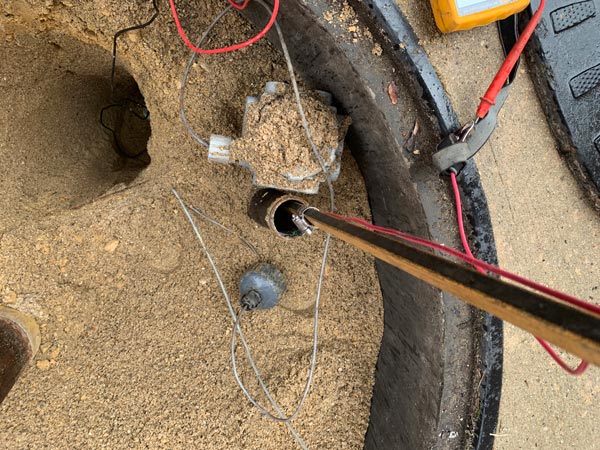
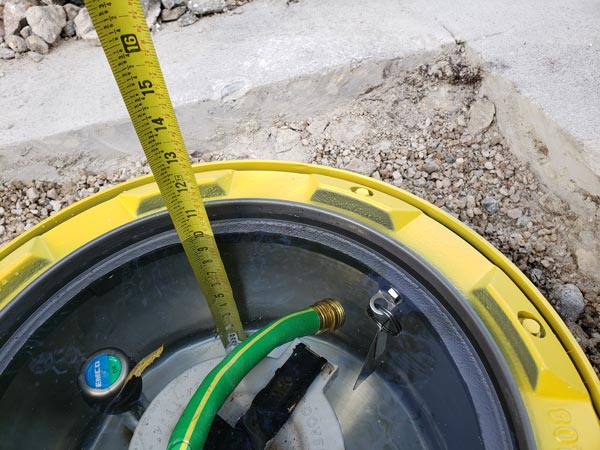
Piping Sump and Spill Bucket Testing
We help clients manage their Underground Storage Tank (UST) system piping sumps and fill port spill buckets to meet state UST compliance and EPA regulations – as well as to identify potential leaks or problems. OCCU-TEC’s PEI RP1200-certified fuel technicians will protect clients against costly releases and compliance violations.
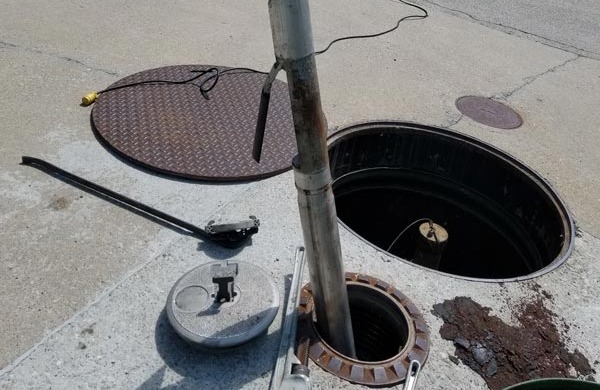
Overfill Prevention Equipment Testing
Overfill prevention systems can be complex, whether it’s an automatic shut-off valve, an exterior overfill alarm or a ball-float valve. Our PEI RP1200-certified technicians help clients mitigate risk by ensuring their equipment is working properly, preventing spills, overfills and reducing environmental contamination.
Ultrasonic Testing/Non-destructive Testing
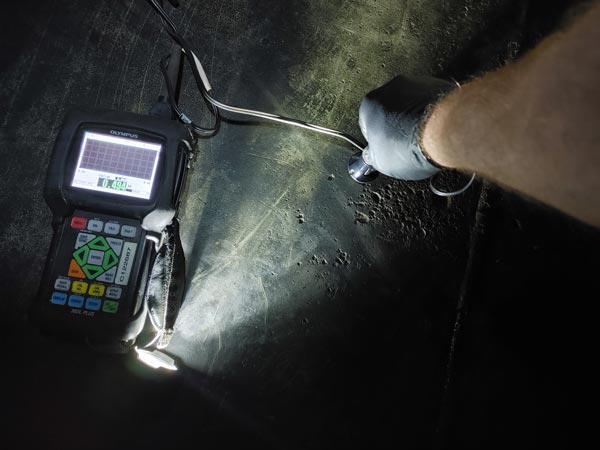
Piping and fuel tank replacement includes a costly, time-consuming process. But ignoring corroding equipment is even more expensive, with potentially damaging consequences. We use ultrasonic testing to help clients determine the life of their equipment so they can plan accordingly. Routine testing can be a cost-effective way to manage your assets. It can establish your corrosion rate, determine if the tank has adequate steel for continued service and identify whether you need a full fuel tank replacement or if a coating restoration will be sufficient to extend the life of your critical fuel systems.
Line and Tank Tightness Testing
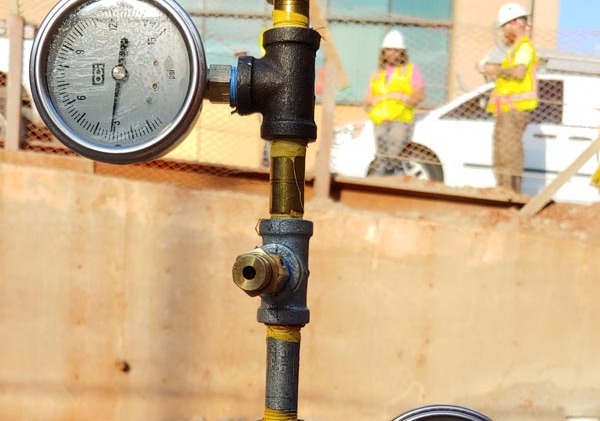
OCCU-TEC’s network of third-party certified testers makes sure your tank and fuel lines meet all regulatory requirements. A leak in your tank or fuel lines can disrupt continuity, making line and tank tightness crucial to your system’s readiness.
OCCU-TEC testers help your team manage whatever requirements they face, from state regulations to EPA mandates. We have extensive experience working with mission-critical facilities, from hospitals to data centers, delivering cost-effective solutions that meet your regulatory requirements.
Fuel Testing
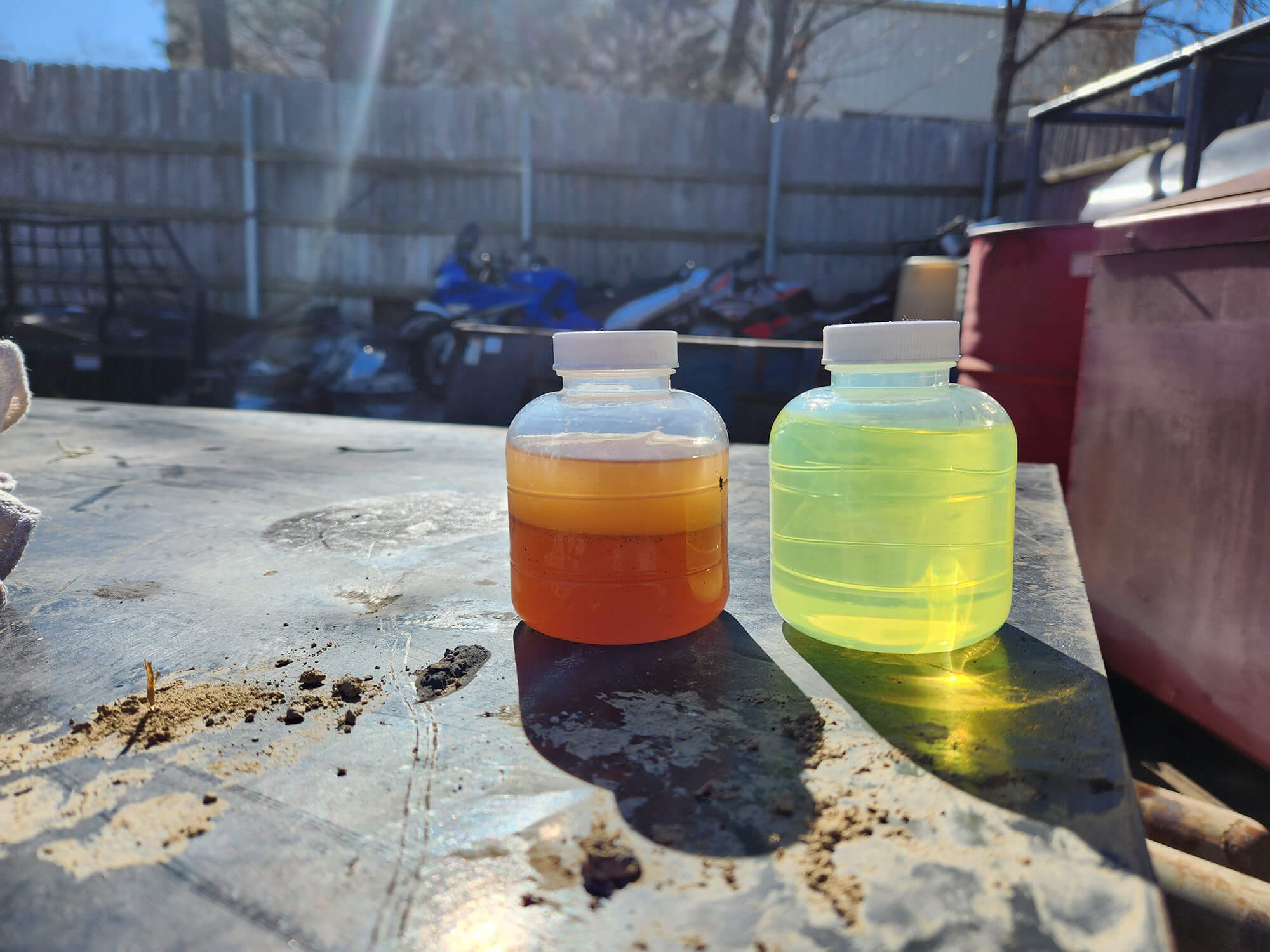
If fuel isn’t used, which happens often with emergency backup generators, it grows stagnant and can break down in as little as 12 months.
Our team conducts regular generator fuel testing, checking backup fuel supplies for degradation and puts a preventative maintenance schedule in place to ensure your business is never disrupted because of a degraded fuel supply.
Our standard fuel quality testing methods include, but are not limited to:
- Water by Karl Fischer - ASTM D-6304
- Water and Sediment - ASTM D2709
- Particulate Count - ASTM D7647
- ISO Cleanliness - ISO 4406
- API Gravity - ASTM D-1298
- Distillation - ASTM D-86
- Cetane Index - ASTM D-976
- Micro-Organisms - ASTM D6469
- Cloud Point – ASTM D7689
- Cold Filter Plug Point – ASTM D6371
Corrosion Protection Testing
At OCCU-TEC, we have a third-party network of technicians certified by the National Association of Corrosion Engineers (NACE) to assess the corrosion system stability on your tanks and piping well before symptoms ever occur.
Our corrosion protection (CP) testing includes visual inspections and CP viability surveys inside and outside the fuel storage tank and piping. Our experienced technicians are highly trained to identify telltale signs of common or hidden issues such as anode failure, wiring problems and rectifier issues, so you can mitigate risk quickly and ensure you meet compliance demands. Working with a third party allows us to tailor plans to meet your needs, delivering sustainable and cost-effective solutions on a nationwide scale.