
 OCCU-TEC, Inc.

What today's workplace safety statistics reveal about risk, productivity, and employee wellbeing.
From injuries to heat exposure, the latest statistics demonstrate several areas of persistent risk to employees and liability concerns for employers. However, data also shows an encouraging increase in workplace safety, underscoring the importance of creating programs and policies that allow facilities to minimize risk while increasing efficiency.
As workplace safety experts, it's our responsibility to stay on top of emerging trends across all industries. Each of the statistics below reveals an insight into the current state of workplace safety and presents an opportunity for organizations to strengthen their existing policies.
1. A work-related injury happens every 7 seconds.
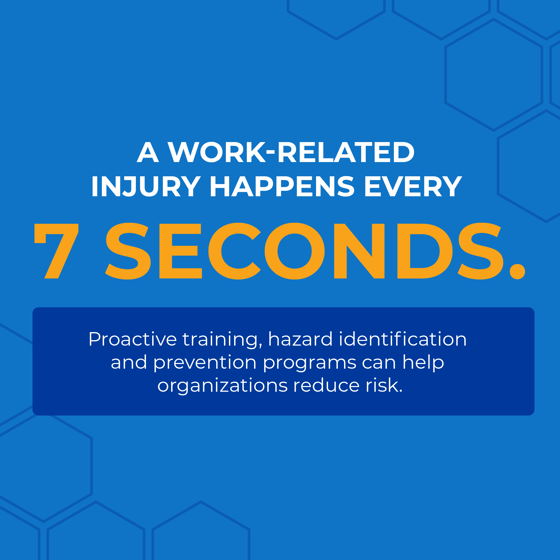
Workplace injuries remain a significant cause of concern across multiple industries. Realistically, they should be because of how regularly they occur across the United States. In addition to the impact on injured workers, these incidents decrease productivity, cause staffing disruptions, increase downtime, and can come with costly workers’ compensation claims. The prevalence of these injuries should remind facilities that taking a proactive approach to safety training, hazard identification, and prevention programs is an absolute necessity.
2. Deaths from fires generally increased between 2014 and 2023.
Over the past decade, fire-related fatalities have remained a serious public safety issue, having increased slightly. At the workplace, fire prevention measures are essential, but so is emergency preparedness. Employers can help protect employees and their property by regularly reviewing evacuation routes and providing training on how to safely and effectively extinguish fires.
3. More than a million Americans will injure their backs at work this year.
Back injuries are among the most common workplace injuries—particularly in physically demanding jobs. A workplace can decrease the number of these injuries by teaching employees proper lifting techniques, ergonomic practices, and providing them with access to appropriate equipment. By doing so, most organizations can limit lost time, labor shortages, productivity challenges, and workers’ compensation claims caused by these preventable injuries.
4. Thousands of Americans die each year from health issues related to heat exposure.
Especially for people working outdoors or in hot environments, heat-related illnesses can quickly become life threatening. While many autopsies won’t list heat as the formal cause of death, consistent extreme heat exposure is linked to a greater risk of heart disease, stroke, asthma, respiratory infections, and kidney failure in addition to heat stroke. Employers can drastically reduce the likelihood of a worker developing a heat-related illness by taking regular breaks and ensuring everyone is properly hydrated.
5. Deaths from exposure to extreme temperatures rose by 18.6% in 2022.
As environmental conditions continue to become more volatile, extreme heat waves, cold fronts, and other natural disasters are becoming an increasingly important health and safety consideration at home and at work. It is imperative that employers proactively assess and amend their exposure and disaster policies to mitigate the year-over-year impact of these increasingly unpredictable severe weather events.
6. Fall protection requirements are among the most frequently violated OSHA standards.
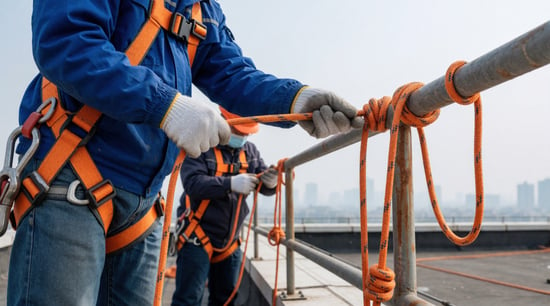
Falls remain one of the leading causes of serious workplace injuries and fatalities. And yet, violations of federal fall protection policies are what OSHA most commonly cites in their facility reviews. Proper guardrails, fall-arrest systems, training, and internal compliance inspections can make a substantial difference in protecting workers and limiting the likelihood that your facility will be found in violation of an OSHA standard.
7. The average workers’ compensation claim in 2023 was $43,316.
As the cost of medical care continues to rise, workplace injuries can have significant financial repercussions for employees and employers. By investing in health and safety measures, your business can better control its costs by reducing lost time due to injury and avoiding costly workers’ compensation claims—all while keeping your employees safe.
8. Lost productivity due to absenteeism costs employers $225.8 billion annually.
The staffing shortages caused by absenteeism cause a ripple effect through any organization. When you don’t have enough people on hand, scheduling becomes more complicated, day-to-day operations get disrupted, and overtime costs increase as your team works to still deliver projects on time. On top of this, it hurts worker morale, which also damages productivity.
The most common cause of absenteeism is illness and injury—and an organization’s policies can significantly lower the amount of absenteeism caused by both. To limit absenteeism, strong workplace safety and wellness programs can help organizations keep employees healthy, productive, and on the job.
9. Roughly 41% of traffic fatalities in recent years have involved alcohol consumption.
Impaired driving remains a major cause of roadway fatalities. Across multiple industries, employees drive regularly whether they’re in a trucking fleet or using a company vehicle. By promoting fleet safety, having strong travel policies, and offering training on responsible transportation practices, employers can help reduce the number of alcohol-related traffic fatalities.
10. Fatal workplace injuries fell by 4% between 2023 and 2024.
The decline in fatal workplace injuries is encouraging and likely indicates the impact of continued improvements in safety practices. Continuous improvement of workplace standards and training along with ongoing vigilance can help these numbers continue to fall, because even one fatality at a workplace is one too many.
11. Employers reported 2.5 million fewer injury and illness cases in 2024 than in 2023.
Continued investment in training, hazard prevention, reporting, and employee well-being doesn’t just protect the wellbeing of employees—it’s a crucial part of maintaining productivity and improving business outcomes.
Conclusion
Health and safety trends are more than statistics—they offer insight into where organizations can focus their prevention efforts. A true health and safety partner will remain up to date on emerging trends and will make thoughtful recommendations to operating procedures based on the latest data. By doing so, employers can create safer, healthier workplaces while reducing injuries, costs, and lost productivity.
If you are looking for a trusted partner to improve safety at your workplace, consider partnering with an industry leader. Contact Kevin Heriford at (816) 825-0628 to learn more about what OCCU-TEC has to offer.